FIRE AND FOREST DEFENSE INITIATIVE UKRAINE
FIRE & FOREST PROTECTION PROJECT UKRAINE (FFDI) exists to strengthen local capacity for wildfire response and land management in conflict-affected environments. Reducing risk to personnel while improving operational effectiveness.
The program focus on training exchanges, technology development support, direct capacity investments, and proactive program funding.
FFDI Ukraine is implemented in close collaboration with locally led Ukrainian partners.
FireFront Ukraine operates through partnership, collaboration and coordination. Through the Fire & Forest Defense Initiative Ukraine. Ukrainian agencies, emergency responders, technical partners, and donors to align needs, resources, and execution. Support implementation, turning intent into operational impact.
FIREFRONT UKRAINE
FireFront Ukraine supports wildfire resilience and emergency response capacity in landscapes shaped by war, climate stress, and hazardous contamination.
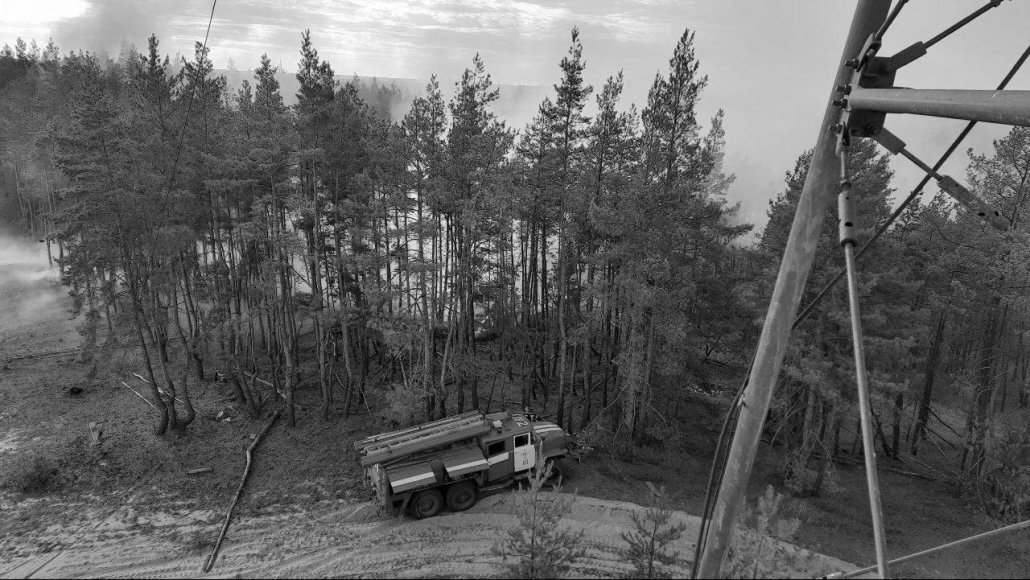
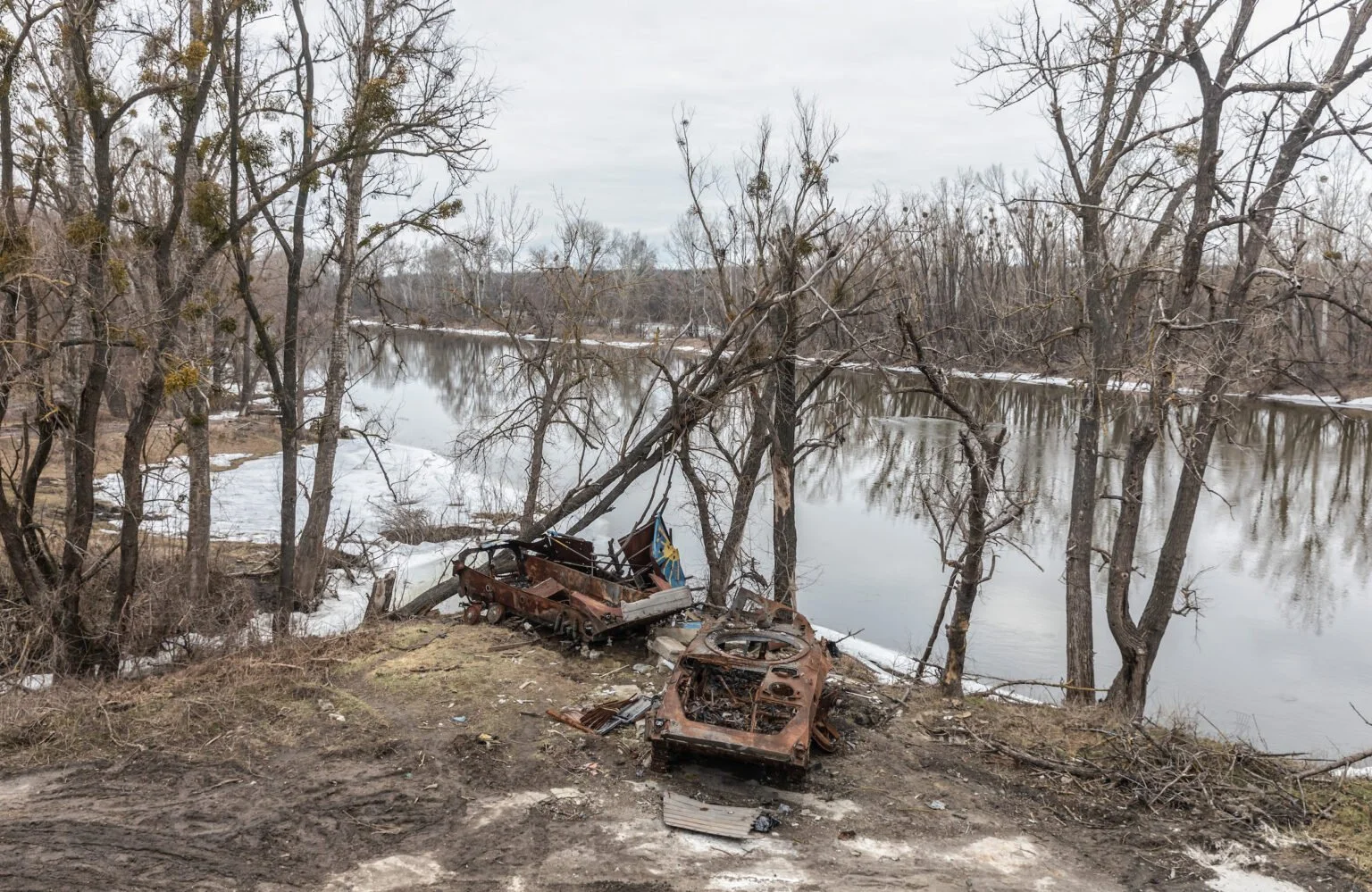
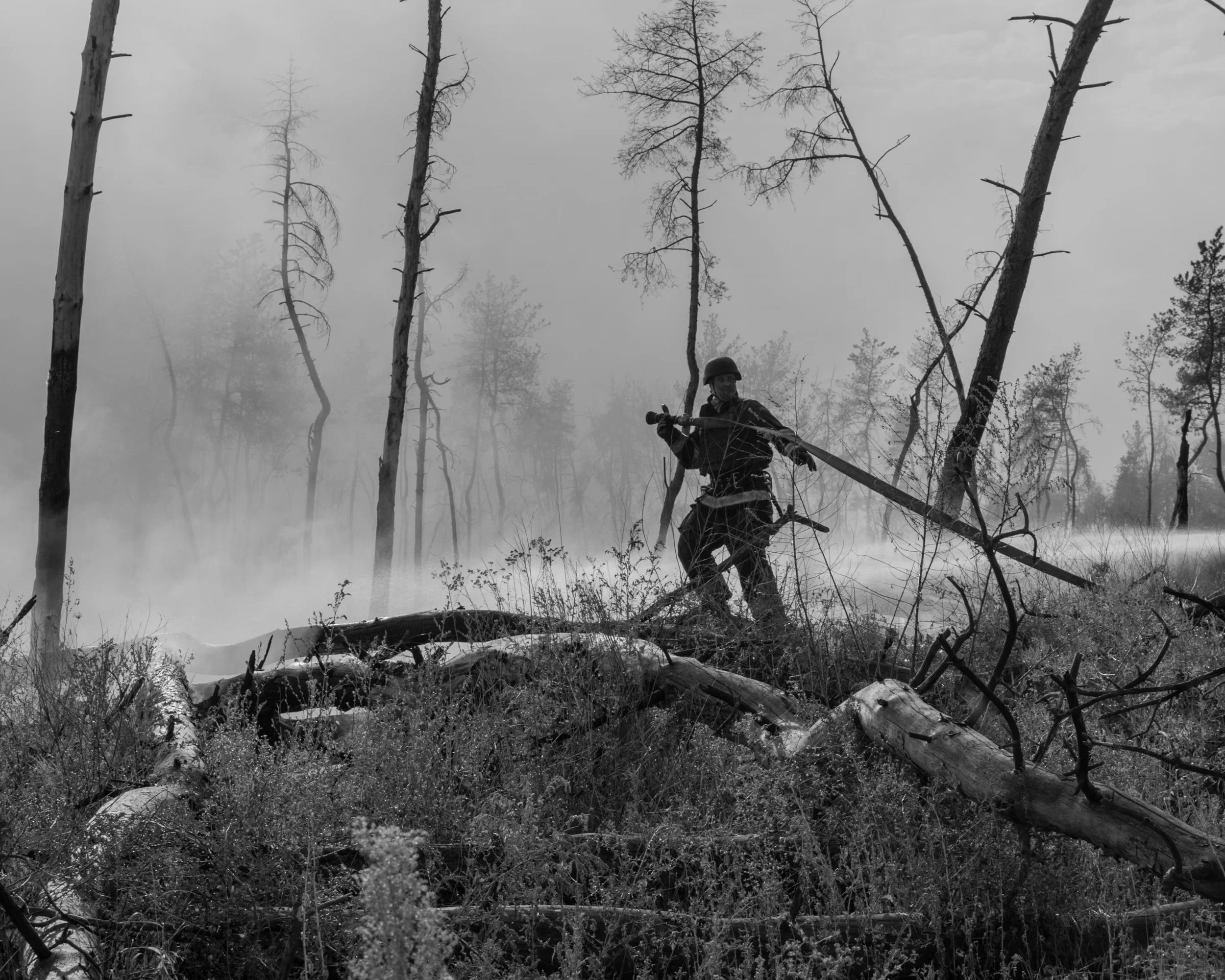
Across Ukraine, wildfire response now occurs in environments affected by unexploded ordnance (UXO), landmines, damaged infrastructure, and long-term contamination. These conditions significantly increase risk to firefighters, land managers, and communities, and demand new approaches to fire and forest defense.
FireFront Ukraine works alongside Ukrainian partners to deliver training, technology support, and direct operational capacity tailored to these realities.
UKRAINE PARTNERSHIPS


-
Forest Release is a nonprofit organization dedicated to advancing landmine and unexploded ordnance (UXO) clearance, improving firefighter training and safety, and supporting long-term forest rehabilitation and post-conflict environmental recovery. With a focus on regions impacted by armed conflict, particularly Ukraine, the organization advocates for safe and sustainable land management by removing hazardous remnants of war, equipping and training firefighting personnel, and restoring forest ecosystems. Through partnerships with local communities, forestry professionals, and international stakeholders, Forest Release drives practical solutions that enhance environmental resilience, protect lives, and foster recovery in landscapes affected by war.
-
The Regional Eastern European Fire Monitoring Center (REEFMC) is a Ukraine-based wildfire research and coordination hub that supports fire monitoring, risk analysis, and capacity building across Eastern Europe. Established in Kyiv, the center integrates scientific research, satellite-based fire detection, and regional data sharing to improve wildfire preparedness and response in Ukraine. REEFMC works with Ukrainian institutions and international partners to translate fire science into practical policy, operational guidance, and training that strengthen national resilience to wildland fire threats.
-
The Main Directorate of the State Emergency Service of Ukraine in Zhytomyr Region is the regional branch of Ukraine’s national emergency response agency responsible for protecting the public, property, and environment from disasters and hazards. Operating throughout Zhytomyr Oblast, the Directorate leads firefighting operations, emergency rescue missions, disaster risk reduction, and civil protection activities. It coordinates with local authorities, volunteer responders, and national partners to ensure rapid response to wildfires, technological incidents, floods, and other emergencies, while also delivering public safety education and preparedness programs to strengthen community resilience.
-
The National University of Life and Environmental Sciences of Ukraine (NUBiP) is a leading Ukrainian higher education and research institution specializing in agriculture, environmental science, forestry, and natural resource management. Located in Kyiv, the university conducts cutting-edge research, delivers academic and professional training, and supports sustainable land and forest stewardship across Ukraine and beyond. NUBiP collaborates with government agencies, international organizations, and industry partners to advance knowledge in ecosystem management, fire ecology, and rural development, while preparing the next generation of scientists, land managers, and environmental leaders.
Wildfire risk in Ukraine is shaped by a combination of environmental conditions and operational constraints. Large areas of forest and wildland are affected by unexploded ordnance, land contamination, access limitations, and infrastructure impacts.
These conditions influence how wildfire prevention, mitigation, response, training, and prescribed fire activities can be planned and carried out. In many cases, methods and tools must be adapted, validated, or carefully introduced to ensure safety and operational effectiveness.
FFDI Ukraine supports wildfire resilience efforts that are grounded in this operational reality.
Training Exchanges & Workforce Development
FireFront Ukraine supports training exchanges between Ukrainian responders and experienced wildfire professionals under FFDI UKRAINE. These exchanges emphasize practical skills, operational safety, and adaptive tactics for working in contaminated and high-risk environments.
Training focuses on:
Wildfire operations in UXO-affected terrain
Risk assessment and decision-making under hazardous conditions
Suppression strategies and operational strategies
Fireline leadership and incident command system
the Foundation’s objective is to support sustainable, locally led international Exchanges to share best practices, technology, and methodologies across borders.
Support for innovative Technologies
Conflict-impacted landscapes require new tools.
FireFront Ukraine supports the evaluation, development, and responsible application of emerging technologies that reduce human exposure and improve situational awareness. This includes tools for mapping, sensing, and hazard identification that help responders understand risk before personnel enter the field.
We work with partners to ensure technologies are:
Field-relevant and practical
Appropriate for civilian wildfire and land management use
Integrated responsibly into existing operations
Proactive Program & Operational Funding
FireFront Ukraine supports not only immediate response needs, but also proactive funding for programs and operations that strengthen long-term resilience.
This includes funding for:
Training programs and exchanges
Technology evaluation and field trials
Operational readiness and deployment support
Planning and preparedness in high-risk regions
By funding programs before emergencies escalate, FireFront Ukraine helps partners act earlier and more safely.
UXO, Landmines & Contamination
Many wildfire-prone landscapes in Ukraine are affected by unexploded ordnance, landmines, and other forms of contamination. These hazards complicate traditional fire response and elevate risk for anyone operating on the ground.
FireFront Ukraine prioritizes approaches that:
Reduce the need for direct human exposure
Improve hazard awareness before deployment
Support safer planning, suppression, and recovery operations
Our work is designed to complement humanitarian demining and environmental recovery efforts, not replace them.
Support provided by FireFront Foundation
Funding stewardship and financial coordination
Governance and oversight structures appropriate to scope and risk
Program coordination and continuity support
Alignment among public, nonprofit, academic, and technical partners
Support for monitoring, evaluation, documentation, and shared learning
HOW YOU CAN HELP
Your support enables FireFront Ukraine to support training exchanges, technology support, equipment, and proactive program funding where it is needed most.
Every contribution helps reduce risk to responders and strengthens Ukraine’s ability to protect lives, forests, and communities under extraordinary conditions.